


Finding the right China Contemporary Interior Lighting Wholesaler requires more than comparing catalog prices. In 2026, buyers face crowded online marketplaces, changing design preferences, and inconsistent product information. A reliable supplier should demonstrate factory experience, clear specifications, stable quality control, and responsive communication. These details matter when a pendant light arrives with a different finish or an unexpected color temperature.
This guide examines wholesalers serving hotels, restaurants, residential projects, and retail interiors. It considers materials, LED performance, dimming compatibility, customization, packaging, and production capacity. Practical evaluation also includes sample approval, factory audits, product testing, and realistic delivery schedules. Certifications and documentation should be checked for the destination market, not assumed from a polished website. Small details reveal much.
A professional wholesaler can explain beam angles, color rendering, driver options, mounting methods, and maintenance needs without hiding behind vague marketing language. Strong suppliers also provide drawings, installation instructions, and consistent after-sales support. However, no supplier is perfect. Even an experienced factory may experience delays, material substitutions, or communication gaps during a complex order. Buyers should record these risks and ask direct questions before making commitments. The best partnership is not always the cheapest one; it is the one that protects design intent, project timing, and long-term reliability. This introduction helps readers compare leading options with evidence, practical judgment, and a healthy willingness to reconsider first impressions.
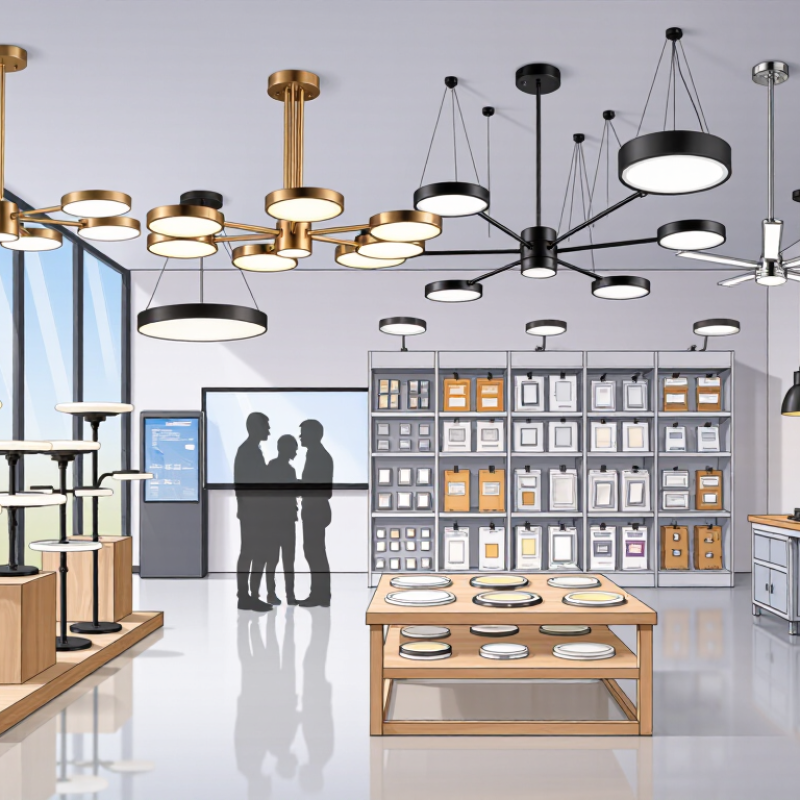
A contemporary interior lighting wholesaler in China is more than a seller with a large catalog. It should translate interior concepts into dependable, manufacturable lighting. In practice, I look for adjustable color temperature, accurate color rendering, controlled glare, and stable dimming. A professional wholesaler should explain beam angles, driver performance, and expected lumen maintenance in plain language. That clarity matters. Project photos help, but test reports and physical samples reveal more.
A capable wholesaler manages both design and supply details. It should confirm material finishes, socket standards, wiring options, packaging strength, and installation instructions. Clear production timelines are equally important, especially for hotel, retail, and residential projects. Batch consistency deserves close attention. The first sample may look excellent, while later units show uneven paint or loose fittings. Factory audits, quality checkpoints, and documented inspections reduce that risk. I also value suppliers who respond with drawings instead of vague promises.
Contemporary lighting requires restraint, not decoration for its own sake. Slim wall lights, recessed downlights, soft pendants, and layered illumination should support the room’s surfaces and daily use. A wholesaler with technical staff can adjust a fixture after a mock-up exposes glare or weak illumination. Some suppliers overpromise. I have learned that even careful sourcing can miss a small detail, such as a driver’s noise or a carton’s poor corner protection. Honest communication, traceable specifications, and willingness to correct mistakes define a dependable Chinese contemporary interior lighting wholesaler.
A practical, brand-neutral evaluation framework for sourcing contemporary interior lighting from China
| Evaluation Dimension | Practical Benchmark for 2026 | What a Qualified Wholesaler Should Provide | Verification Method |
|---|---|---|---|
| Product Positioning | Contemporary indoor fixtures with clean geometry, neutral finishes, integrated LED options, and space-conscious designs. | A structured range covering pendant lights, ceiling lights, wall lights, track fixtures, linear systems, and decorative task lighting. | Review the current catalogue, technical drawings, finish samples, and project photographs without relying only on promotional images. |
| Light Performance | Clearly stated lumen output, wattage, beam angle, colour temperature, colour-rendering data, and operating life. | Photometric files such as IES or LDT, LED module information, driver specifications, and test reports for the supplied configuration. | Compare declared data with an independent photometric report or a sample tested by a qualified laboratory. |
| Colour Quality | CRI 80+ is common for general interiors; CRI 90+ is generally preferred for hospitality, retail, galleries, and premium residential areas. | Consistent CCT options, stated tolerance, colour-consistency information, and suitable binning documentation. | Request LM-80 or equivalent LED component evidence where relevant, plus sample-to-sample colour comparison. |
| Flicker and Visual Comfort | Low-flicker or flicker-controlled operation is increasingly expected in workspaces, hospitality, and long-duration occupied areas. | Driver information, flicker measurements where available, glare-control options, diffusers, and shielding accessories. | Ask for measured flicker data and inspect the fixture through a high-frame-rate camera only as a preliminary check, not as laboratory proof. |
| Electrical Compatibility | The product should be configured for the destination market’s voltage, frequency, dimming method, plug or wiring practice, and safety requirements. | Input-voltage options, dimming compatibility, wiring diagrams, driver data, surge information, and installation instructions. | Confirm requirements before quotation and test the exact production configuration rather than a visually similar sample. |
| Safety and Compliance | Documentation should correspond to the actual model, voltage, driver, materials, and destination market. | Relevant declarations, safety reports, EMC information, material documentation, and Chinese standards such as GB 7000.1 where applicable. | Check report numbers, product photographs, model descriptions, laboratory details, dates, and scope of coverage. |
| Customization Capability | Useful customization typically includes colour, dimensions, cable length, mounting method, diffuser, light source, and control system. | A defined approval process for drawings, samples, engineering changes, and production sign-off. | Request a written specification sheet and confirm which changes affect tooling, lead time, price, warranty, or compliance. |
| Material and Finish Quality | Contemporary products commonly use aluminium, steel, glass, acrylic, fabric, or engineered polymers, with finish consistency across batches. | Material specifications, finish codes, corrosion or coating information where relevant, and replacement-part availability. | Approve physical samples and define acceptable limits for colour variation, surface defects, alignment, and assembly quality. |
| Wholesale Flexibility | A suitable wholesaler should support mixed models, repeat orders, project quantities, and transparent quantity-based pricing. | Clear MOQ rules, sample policy, carton quantities, spare-part policy, payment terms, and quotation validity period. | Request a line-item quotation that separates product cost, tooling, samples, packaging, testing, and shipping charges. |
| Quality Control | Quality control should cover incoming materials, assembly, electrical safety, lighting performance, appearance, packaging, and final inspection. | Documented inspection criteria, production records, defect classification, corrective-action procedures, and pre-shipment inspection options. | Use an approved inspection checklist and verify random samples before shipment. |
| Packaging and Logistics | Packaging should protect glass, painted surfaces, diffusers, drivers, and projecting components during domestic and international transport. | Export carton specifications, drop or vibration considerations, pallet information, HS-code support, and shipping-document accuracy. | Approve a packed sample or packaging specification and compare carton dimensions with the freight quotation. |
| Lead-Time Reliability | A dependable supplier provides separate timelines for sampling, tooling, production, inspection, and dispatch instead of one generic estimate. | Milestone schedule, production updates, escalation contact, and a documented process for delays or engineering changes. | Compare quoted dates with purchase-order milestones and review performance across repeat orders. |
| Warranty and Service | Warranty duration and coverage should be stated for the complete fixture, LED module, driver, finish, and replacement components. | Written warranty terms, troubleshooting guidance, spare-part availability, claim evidence requirements, and response targets. | Review exclusions such as installation errors, unsuitable voltage, environmental exposure, and unauthorised modification. |
| Sustainability and Documentation | Preference should be given to durable, repairable, replaceable, and efficiently packaged products with transparent material information. | Energy data, product composition, packaging details, recycling guidance, and evidence for environmental claims. | Distinguish measured or certified information from general marketing language and retain documents for project records. |
China’s contemporary interior lighting wholesale market is moving toward flexible, layered solutions for 2026. Buyers are no longer choosing fixtures by appearance alone. They examine glare control, beam accuracy, color consistency, and installation speed.
Key product categories include recessed downlights, magnetic track systems, linear profiles, decorative pendants, wall lights, and compact reading lamps.
Track systems suit retail and hospitality projects because layouts can change without replacing the ceiling. Linear lighting works well beneath cabinets, along corridors, and inside display shelving. Pendant lights remain popular over dining tables, reception desks, and kitchen islands.
Warm white lighting, especially around 2700K to 3000K, is becoming more common in residential interiors. Tunable white systems offer greater control in hotels, offices, and wellness spaces. Quiet forms, matte metal finishes, textured glass, and natural-looking materials support the softer design direction. Low-glare optics also matter more. Bright is not always comfortable.
From practical sourcing experience, reliable wholesalers should provide photometric files, sample testing, clear wattage data, and suitable compliance documents for the target market.
Ask about LED lifespan, driver replacement, packaging protection, minimum order quantities, and production lead times. Details prevent expensive surprises.
Some suppliers still promote smart controls without explaining compatibility. That deserves closer review. A beautiful fixture can fail when its control protocol, ceiling depth, or maintenance access is overlooked. Designers should test samples in real rooms, not only trust digital renders. Imperfections often appear after installation.
Evaluating a China-based contemporary lighting wholesaler requires more than comparing catalog prices. Check whether the supplier understands residential, hospitality, or commercial lighting requirements. Ask for detailed specifications, including wattage, color temperature, beam angle, material thickness, and dimming compatibility. Ask for proof.
Request product samples before placing a large order. Inspect the finish under direct light. Check socket alignment, cable quality, mounting hardware, and packaging protection. A polished product image can hide uneven coating or fragile components. Details matter. Verify relevant testing reports and export documentation for your destination market. A reliable wholesaler should explain testing scope clearly, not send unexplained certificates.
Review production capacity through factory photos, live video, or an independent inspection. Compare stated lead times with sample and pilot-order performance. Confirm minimum order quantities, replacement procedures, payment terms, and responsibility for damaged goods. Communication is another practical test. Do replies answer technical questions, or merely repeat sales language? In sourcing work, small misunderstandings often become expensive delays. I would not judge a supplier from one successful sample alone. Quality can vary between batches, and even a careful evaluation has blind spots. Keep written specifications, approve a pre-production sample, and monitor the first shipment closely.
Choosing the 2026 Best China Contemporary Interior Lighting Wholesaler
A dependable wholesaler begins with controlled manufacturing, not attractive product photos. Inspect the factory’s metal cutting, welding, polishing, and coating processes. Ask for material specifications, wiring diagrams, and sample approval records. High-quality fixtures should have stable joints, even finishes, secure terminals, and clean cable routing. These details matter during installation and long-term use. Request production samples before placing a large order. Small defects often appear only under direct inspection.
Certifications also require careful verification. Ask for current test reports, conformity documents, and factory quality-management records. Confirm that the documents match the exact product model and electrical configuration. Safety testing should cover insulation, grounding, heat resistance, and relevant photometric performance. A professional supplier explains limitations instead of making broad promises. That builds trust. Certification alone does not guarantee consistent production. Batch inspections still matter.
Customization should be practical and documented. A capable wholesaler can adjust dimensions, color temperature, beam angle, finish, mounting method, and packaging. They should provide drawings, samples, lead times, and clear revision controls. Custom projects may need several sampling rounds. That is normal. However, unclear communication can create costly mistakes. I have found that written specifications prevent more problems than urgent phone calls. No factory is flawless. Even strong suppliers need corrective actions, traceable inspections, and honest feedback. Buyers should review these processes before judging price.
Choosing a Chinese contemporary lighting wholesaler requires more than comparing catalog prices. I have found that reliable sourcing begins with verified samples, clear specifications, and consistent communication. Ask for material details, dimensions, color temperature, voltage, certification records, and test reports. A sample should reveal surface finish, wiring quality, diffuser clarity, and packaging strength. Small flaws matter.
Pricing should include product cost, tooling, sample fees, export packaging, inland transport, and shipping terms. Compare EXW, FOB, and delivered quotations carefully. A low unit price can hide weak cartons or expensive replacement parts. Confirm minimum order quantities and payment stages before production. Request a written quotation with validity dates. Prices may change with copper, aluminum, and exchange rates.
Logistics planning needs realistic timelines. Confirm production capacity, inspection dates, port options, carton measurements, and spare-part availability. Use pre-shipment inspection for larger orders. A supplier should provide batch photos, packing lists, invoices, and traceable quality records. Check the factory address and ownership details through independent verification. Ask how defects are handled, not only whether a warranty exists.
My first sourcing plan underestimated replacement stock. That mistake delayed installation. Now I reserve extra drivers, shades, and mounting hardware for commercial projects. Supplier selection remains imperfect. Communication can still fail across time zones and languages. Choose partners who document decisions, admit limitations, and correct problems quickly. Reliability is visible in details.
USA / Americas
1507 Capital Ave, Suite 102
Plano, TX 75074
+1 (214) 838-7010
8:00am – 5:00pm (GMT-6)
Australia / Asia Pacific
503 Cross Keys Rd,
Cavan SA 5094
+61 8 7200 3909
9:00am – 5:00pm (ACDST)
© 2025 Green Frog Systems. | Privacy Policy | Terms & Conditions


