


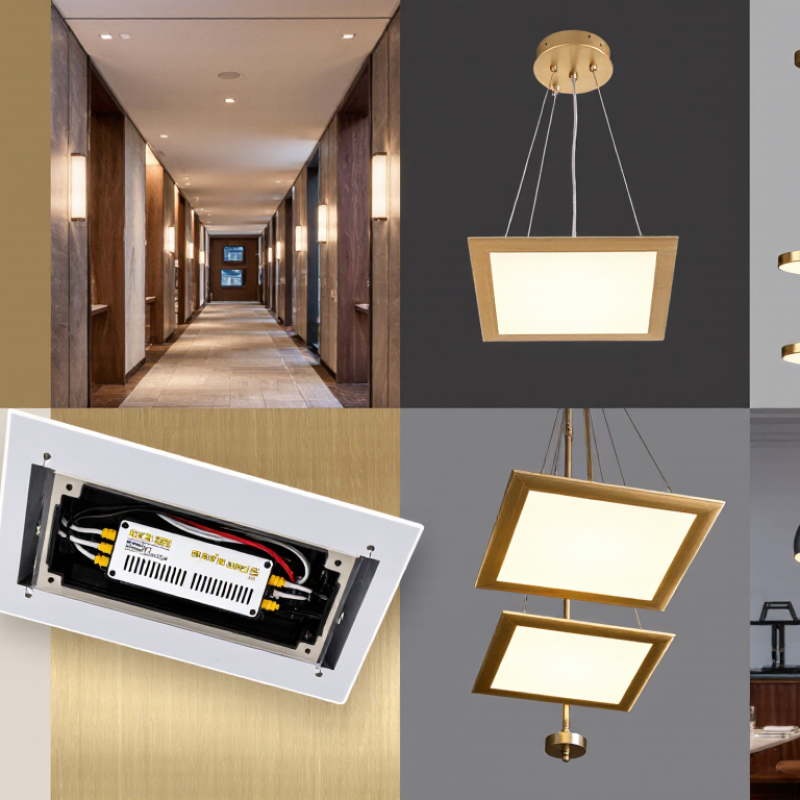
Brass lighting is moving beyond decorative appeal. Global buyers now expect measurable LED performance inside a warm metal body. A credible target is over 100 lumens per watt at fixture level, not just from the LED module. The U.S. Department of Energy’s Solid-State Lighting R&D Opportunities report identifies higher system efficacy as a major industry priority.
CRI 90 or higher helps brass finishes, wood grain, and food colors appear more natural. It also reduces the dull, grey impression found in cheaper commercial lighting. The IEA’s Energy Efficiency 2024 report notes that LED products represent more than half of global lighting sales, showing how quickly buyers are adopting efficient technology. Still, high CRI can reduce efficacy. That trade-off deserves honest testing.
Warm white light between 2700K and 3000K suits brass particularly well. At 2700K, polished surfaces look richer and more intimate. At 3000K, details remain clearer in hotels, restaurants, and residential spaces. IES TM-30 evaluations can reveal color fidelity and saturation more clearly than CRI alone. Ask for tested fixture data, thermal results, and lumen maintenance records. A small test sample matters. Brass can hide heat poorly, especially around compact drivers. I would not trust impressive figures without checking output after thermal stabilization.
