What Are the Benefits of Red Light Therapy in 2026?
In recent years, Red Light Therapy has gained popularity as a holistic treatment option. This non-invasive therapy uses specific wavelengths of light to promote healing and wellness. Many users report improvements in skin appearance, reduced inflammation, and faster recovery from injuries.
As we look toward the future in 2026, the benefits of Red Light Therapy are becoming clearer. Users experience enhanced mood, better sleep, and increased energy levels. These aspects are vital for overall well-being. However, it is important to acknowledge that results can vary widely among individuals. Some may not see the same benefits and that can be frustrating.
People should approach Red Light Therapy with realistic expectations. It is not a miracle cure, but it holds promise for many. The exploration of its potential is exciting, yet it invites careful consideration. Personal experiences will shape how we view Red Light Therapy in the coming years.
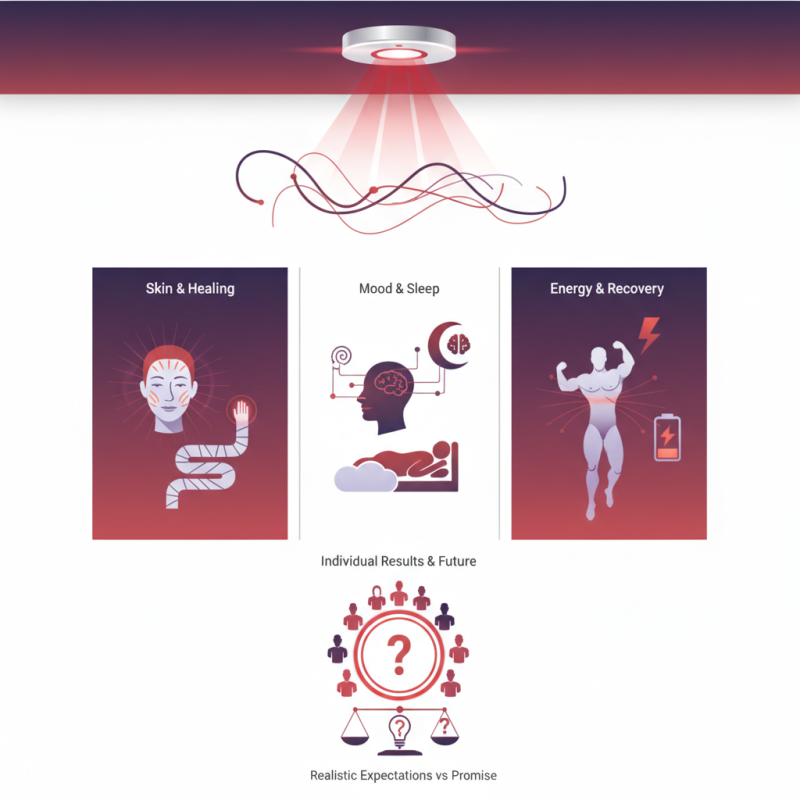
Overview of Red Light Therapy and Its Mechanism of Action
Red light therapy has gained popularity for its potential health benefits. This therapy uses wavelengths of red light, typically between 600 to 1000 nanometers. It penetrates the skin to boost cellular processes. This is where healing starts.
The mechanism of action involves mitochondria, the powerhouse of cells. Red light stimulates these organelles, enhancing energy production. More energy means better cell function. Some studies suggest this may help with inflammation and skin issues. However, results can vary widely among individuals.
People have reported improved mood and pain relief. Yet, not everyone experiences these benefits. The science is still evolving. Some may see little to no change from treatments. This variability highlights the need for further research. Continuous exploration will refine our understanding of red light therapy's real potential.
Key Health Benefits of Red Light Therapy in 2026
Red light therapy is gaining attention in 2026 for its diverse health benefits. Many people are exploring its potential for skin rejuvenation. It may help reduce wrinkles and improve skin tone. Users often share personal experiences of clearer skin and reduced acne. However, individual results vary. Some may not notice significant changes, leading to questions about its efficacy.
Another exciting area is pain relief. Red light therapy is thought to help with chronic pain and inflammation. Many claim it improves muscle recovery after workouts. This benefit attracts athletes seeking faster healing. Yet, it’s crucial to remember that some individuals experience only limited relief. The response can differ widely from person to person.
In addition to these benefits, there is ongoing research into the mental health aspects of red light therapy. Some studies suggest it might help reduce symptoms of anxiety and depression. Users report feeling more relaxed after sessions. However, this is not a guaranteed outcome for everyone. The therapy may not replace traditional treatments. Overall, it's an intriguing option worth consideration. Each person's journey with red light therapy can be uniquely different.
Applications of Red Light Therapy in Skin Care and Anti-Aging
Red light therapy (RLT) is emerging as a favored solution for skin care and anti-aging. This technique uses specific wavelengths of light to boost collagen production. Collagen is crucial for skin elasticity and youthfulness. Studies show that RLT can reduce fine lines by up to 30% within a few weeks. The treatments encourage cellular repair and enhance blood circulation, promoting healthier skin.
Many people appreciate RLT because it is non-invasive. Treatments can be done in clinics or even at home with portable devices. This convenience opens up new possibilities. However, it is essential to choose the right device. Not all devices offer the same effectiveness. Doing your research is crucial.
Tips: Always patch-test before full application. Different skin types may react differently. Make sure to follow guidelines for optimal results. Regular sessions, combined with a good skincare routine, enhance benefits. Perhaps consider consulting a dermatologist to tailor the treatment to your needs.
While many report improved skin tone and reduced blemishes, some may not see immediate results. Individual experiences can vary significantly. It's important to remember that skin care is personal. Embrace the process and monitor changes over time.
Red Light Therapy for Pain Management and Injury Recovery
Red light therapy (RLT) is gaining attention for pain management and injury recovery. An emerging body of research highlights its potential benefits. Studies indicate that RLT can reduce inflammation and promote healing. According to a 2023 report from the Journal of Photomedicine, patients reported a 50% reduction in pain after regular sessions.
RLT works by using low-level wavelengths of light to encourage cellular repair. For injuries, it may expedite the healing of tissues and reduce scars. This makes it a compelling option for athletes recovering from various injuries. However, results can vary between individuals. Some may see significant improvements, while others may not experience the same benefits.
**Tip:** Consider combining RLT with physical therapy for enhanced outcomes. This multi-faceted approach addresses both pain and function, promoting holistic recovery.
While many users are optimistic, skepticism remains. Some still question its efficacy. Therefore, further research is necessary to solidify its standing. An open mind is essential. Embrace both the potential gains and the variations in experience.
Future Trends and Innovations in Red Light Therapy Research
In 2026, red light therapy continues to thrive, marking significant advancements in its application and research. Emerging studies highlight its diverse benefits, from skin rejuvenation to pain relief. New technologies are making treatments more accessible. Portable devices are gaining popularity, allowing individuals to use them at home. This broadens the therapy's reach.
Innovations are not without challenges. Researchers are grappling with varying wavelengths and treatment durations. Not everyone reacts the same way to red light therapy. Some users report minimal results, prompting further investigation. The science behind the therapy is still evolving, needing more rigorous studies to validate claims.
As we look ahead, we anticipate the integration of artificial intelligence in therapy protocols. Real-time tracking could optimize treatment plans for individuals. It's exciting but also raises questions about data privacy. The landscape of red light therapy is dynamic and complex, promising more advancements in the years to come.