Why Choose an EV Charger for Your Electric Car?
As the world shifts towards sustainability, electric vehicles (EVs) are becoming increasingly popular. In 2021, over 6.6 million EVs were sold globally, marking a 108% increase from the previous year. This surge emphasizes the growing demand for reliable charging solutions. An Ev Charger Car is essential for every owner of an electric vehicle, providing convenience and efficiency.
Having access to a dedicated EV charger at home or work can significantly enhance the EV experience. It allows drivers to charge their vehicles overnight, ensuring they start each day with a full battery. Studies show that home charging accounts for nearly 80% of all EV charging. However, not every charger is created equal. Some models can take longer to charge, causing frustration for users. It's vital to choose the right charger that fits your needs.
Moreover, the infrastructure for public charging stations is still developing. While large cities are expanding their networks, rural areas may lack accessible charging options. This disparity can make owning an EV challenging for some. Reflecting on these factors, it's clear that selecting the right EV charger is crucial for a seamless driving experience. Investing in a quality EV Charger Car simplifies life and supports a greener future.
Benefits of EV Chargers for Electric Vehicle Owners
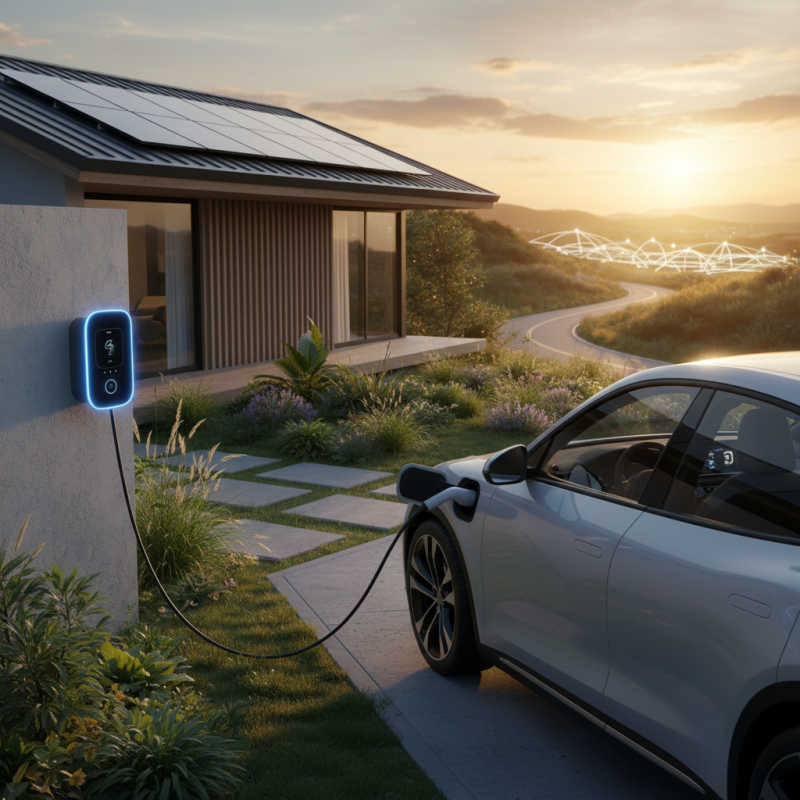
Electric vehicle (EV) chargers offer numerous benefits for EV owners. One major advantage is convenience. Installing a charger at home allows easy access for daily charging. A recent industry report indicated that about 80% of EV charging occurs at home. This significantly reduces the hassle of finding public stations.
Another key benefit is cost savings. Home charging can be cheaper than using public chargers. According to recent statistics, utilizing home electricity for charging can save drivers up to 60% on fueling costs. Overall, investing in an EV charger can lead to substantial savings over time.
**Tip:** Consider your local electricity rates. You might save even more if you charge during off-peak hours.
Having your own charger also increases your vehicle's value. Prospective buyers often look for added convenience in a used EV. A charger can make your car more attractive in the resale market. Many EV owners find that not having their own charger leads to frustration. It’s essential to plan for your charging needs correctly.
**Tip:** Research different types of chargers. Some offer faster charging speeds, which can save you time.
While the trend toward EV chargers is clear, it’s worth noting that not all charging solutions are equal. The right investment varies by lifestyle and location. Some find themselves questioning the installation process or choosing between home and public options. Thoughtful consideration is essential for optimal benefits.
Types of EV Chargers: Level 1, Level 2, and DC Fast Chargers
When considering the right EV charger, understanding the types is crucial. There are three main levels: Level 1, Level 2, and DC Fast Chargers. Level 1 chargers work with standard home outlets. They typically deliver about 1.4 kW, which means a full charge can take up to 24 hours for some electric vehicles. It's convenient for overnight charging but may be slow for daily use.
Level 2 chargers are more efficient. They deliver between 3.7 kW and 22 kW. According to the U.S. Department of Energy, they can charge a vehicle in 4-6 hours. This speed makes them popular for home installations and public charging stations. They require a 240V outlet, which may incur additional costs for installation.
DC Fast Chargers stand out with their rapid charging capabilities. They can provide up to 350 kW, allowing an electric vehicle to charge in under 30 minutes. However, not all vehicles can handle this power. This incompatibility is an important factor to consider. Installation and maintenance costs for DC chargers can also be high. Users often need to weigh these costs against the time saved.
Charging Time Comparison for Different EV Charger Types
Charging Speed and Efficiency: Key Metrics for EV Chargers
Electric cars are gaining popularity, and having the right EV charger at home is essential. Charging speed and efficiency are crucial aspects when choosing an EV charger. Fast chargers can dramatically reduce downtime. Home chargers typically range from Level 1 to Level 2 options. Level 2 chargers are generally more efficient, charging your car in just a few hours.
When selecting a charger, consider your daily driving habits. If you drive short distances, a Level 1 charger might suffice. However, for longer trips, a Level 2 charger may be necessary. Assess your budget as well. Some chargers offer more features but come at a higher cost.
Tips: Always check the installation requirements. Poor installation can affect charger performance. Additionally, make sure to read reviews. They can provide insights into reliability and user experience. Understand that not all chargers work perfectly in every home setting. Consider your garage layout and electrical capacity. This might require adjustments or upgrades to your home’s electrical system.
Cost Considerations: Installation and Long-term Savings Estimates
Installing an EV charger can seem daunting. However, considering the long-term savings makes it worthwhile. The upfront cost may be higher than expected, but think about the future. Most EV chargers require a one-time installation fee. This can range significantly based on your home's electrical setup.
Once that’s done, the savings begin. Charging at home often costs less than using public charging stations. Many users report substantial savings on fuel over time. For example, if you drive a lot, that adds up quickly. Home charging can also reduce the wear and tear on your vehicle's battery.
Yet, it’s important to evaluate personal usage. Not everyone drives the same distances daily. Some may wonder if the initial investment is justified. Analyzing your driving habits can help. Understanding your typical mileage can clarify if a home charger suits you. It’s a decision that warrants thoughtful consideration.
Environmental Impact: How EV Chargers Promote Sustainable Energy Use
The rise of electric vehicles (EVs) reflects a shift toward sustainable energy. EV chargers are crucial in this transition. According to industry reports, EV chargers can significantly reduce greenhouse gas emissions by promoting the use of renewable energy sources. Charging an electric car with cleaner energy leads to a decrease in air pollution levels.
However, the infrastructure for EV charging is still developing. A report by the International Energy Agency indicates that to meet future demand, the number of charging stations must grow exponentially. Currently, many areas face a lack of sufficient chargers, which can deter potential EV buyers. This gap highlights a significant challenge as the market for electric cars expands.
Another concern is the environmental impact of charging. While many chargers use renewable energy, not all do. The sources of energy that power these chargers can vary widely. Some may still rely on fossil fuels. This inconsistency raises questions about the true environmental benefits of EVs. Promoting the growth of renewable energy infrastructure alongside charger development is essential for maximizing sustainability. As we progress, the focus must remain on integrating green energy solutions into our charging networks.