


Temporary & Portable Solar Lighting
How to Choose Solar Powered Lights for Outdoor Use?
Choosing Solar Powered Lights for outdoor use is not simply a matter of finding the brightest product. A reliable choice must match sunlight, weather, lighting purpose, and maintenance expectations. A pathway beside a shaded fence needs a different system from a security light above a garage.
The market is becoming more relevant as solar deployment expands. The International Energy Agency reported in Renewables 2024 that global renewable capacity additions reached about 510 gigawatts in 2023, with solar power contributing roughly three-quarters of that growth. This trend supports wider access to small solar technologies, but it does not guarantee that every outdoor lamp performs well. Product quality still varies sharply.
Look beyond attractive packaging. The U.S. Department of Energy states that LED lighting uses at least 75% less energy than incandescent lighting and lasts much longer. For Solar Powered Lights, that efficiency helps stored energy last through the night. However, battery capacity, panel size, charging time, and winter sunlight remain decisive. A lamp showing “bright light” on the box may dim before dawn during cloudy weeks.
Practical testing matters. Check the panel after installation, inspect water-resistance ratings, and observe brightness over several nights. In my experience, poor placement causes more disappointment than low-priced hardware. Still, personal experience cannot replace verified specifications or independent testing. Industry reports often describe broad trends, not one product in one garden.
This guide explains how to compare Solar Powered Lights carefully, using measurable performance rather than vague promises. Some choices will involve compromise. That is normal. Reliable outdoor lighting begins with realistic expectations.
Define Your Outdoor Lighting Needs and Installation Area
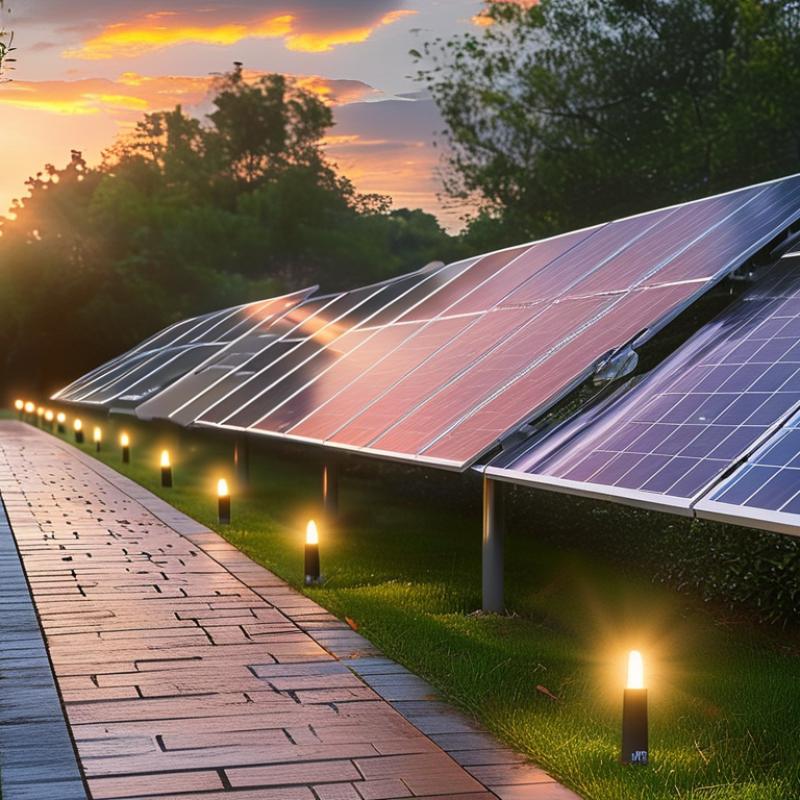
Choosing solar lights begins with observing the space, not browsing product pictures. Walk outside after sunset. Note dark steps, narrow paths, and areas needing soft visibility. A patio may need gentle ambient light, while a gate needs clearer illumination. Ask how people move through the area. Children, older adults, and guests may require different brightness levels. Record seasonal changes too. Trees can block sunlight in summer, while winter shadows may reach the same panel. This small survey often prevents poor placement.
Measure the installation area before choosing fixtures. Mark mounting points with temporary tape or chalk. Check whether each panel receives several hours of direct sunlight. South-facing exposure is often useful in the northern hemisphere, but nearby walls can still create shade. In the southern hemisphere, orientation may differ. Avoid placing panels beneath eaves, dense branches, or tall fences. Keep lights away from sprinklers and puddles. Cable-free designs simplify installation, yet accessible switches and replaceable batteries matter during maintenance. I once treated a shaded corner as bright enough. It was not.
Match the light pattern to the task. Downward beams suit steps, while wider spreads help define pathways. Avoid excessive brightness near bedrooms or neighboring homes. Glare can reduce comfort and hide uneven ground. Choose weather resistance suitable for local rain, dust, and temperature changes. Check technical specifications, but test the actual site when possible. Mark the beam at night. Then reconsider. Solar performance changes across seasons, so plan for cloudy days and shorter winter sunlight. A slightly dimmer, well-positioned light usually serves better than a powerful fixture in the wrong place.
How to Choose Solar Powered Lights for Outdoor Use? – Define Your Outdoor Lighting Needs and Installation Area
| Installation Area | Primary Lighting Need | Recommended Brightness | Suggested Color Temperature | Recommended Protection | Preferred Installation | Important Selection Factors |
|---|---|---|---|---|---|---|
| Front Door and Porch | Entry visibility and basic security | 300–800 lumens | 2700–4000 K | At least IP44; IP65 for exposed locations | Wall-mounted or above-door installation | Motion sensor, adjustable lighting duration, low-glare diffuser |
| Pathways and Steps | Guidance and trip-hazard reduction | 10–100 lumens per light | 2700–3500 K | IP44 or higher | Stake lights spaced approximately 1.5–3 m apart | Even spacing, downward light distribution, stable ground stakes |
| Driveway and Garage Approach | Vehicle movement and security lighting | 800–2000 lumens | 3000–5000 K | IP65 or higher | Wall or pole mounted at approximately 2.5–4 m high | Wide beam angle, motion detection, glare control, adequate battery capacity |
| Garden and Flower Beds | Decorative accent lighting | 5–50 lumens per light | 2200–3000 K | IP44 or higher | Low-height stake or recessed ground installation | Warm light, compact design, solar panel exposure, weather-resistant materials |
| Patio and Deck | Ambient lighting and outdoor activities | 100–500 lumens per fixture | 2200–3000 K | IP44–IP65 depending on exposure | String, wall-mounted, railing-mounted, or portable lights | Multiple brightness modes, comfortable color, replaceable or rechargeable battery |
| Fence and Property Boundary | Boundary marking and low-level security | 20–150 lumens per light | 2700–4000 K | IP44 or higher | Fence-post, wall, or stake mounting | Consistent spacing, automatic dusk-to-dawn operation, wind-resistant mounting |
| Shed, Workshop, or Utility Area | Task visibility and access after dark | 500–1500 lumens | 3500–5000 K | IP65 or higher | Wall-mounted with an adjustable panel or separate solar panel | Adjustable head, high-capacity battery, motion sensor, remote solar panel placement |
| Large Open Yard | General illumination and security coverage | 1000–3000 lumens per fixture | 3000–5000 K | IP65 or higher | Pole or high wall mounting | Wide coverage, strong mounting hardware, long runtime, motion-triggered high mode |
Related Posts
-
2026 Solar Lighting Solutions for Global Buyers How to Choose?
-

How to Maximize Outdoor Ambiance with Solar Panel Lights: A Comprehensive Guide
-
Top 10 Solar Panel Lights Outdoor: Brighten Your Space with Eco-Friendly Illumination
-
How to Enhance Your Property Value with Solar Lighting Solutions
-
How to Choose the Right Solar LED Lights for Your Outdoor Space
-
Exploring Solar Light For Home Innovations at the 2025 China Import and Export Fair
