How to Choose the Best Photovoltaic Module for Your Needs?
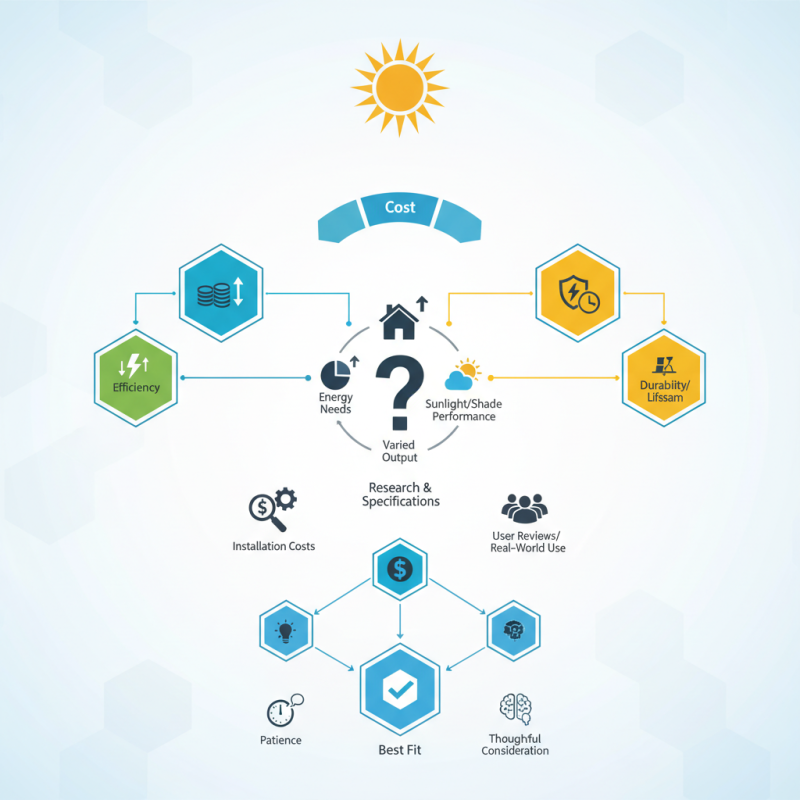
Choosing the right Photovoltaic Module is essential for harnessing solar energy effectively. With many options available, it can be overwhelming. Different modules offer varied efficiencies, costs, and lifespans.
Consider your energy needs carefully. Would you prefer efficiency over cost? Or are you focused on durability? The power output of a Photovoltaic Module varies. Some may excel in sunlight, while others work better in shade. Each choice has its pros and cons, making it vital to reflect on what matters most to you.
Research is key, but it can be flawed. User reviews may highlight issues not seen in technical specs. Some might overlook installation costs, which can add up. Ensure you understand both your requirements and the specifications of the modules available. Finding the best fit requires patience and thoughtful consideration.
Understanding Your Energy Needs and Goals
Understanding your energy needs is crucial in choosing the right photovoltaic module. Begin by assessing your average energy consumption. According to the U.S. Energy Information Administration, the average American household uses about 877 kWh per month. This number will guide you in selecting a module that meets your specific requirements.
Consider your energy goals as well. Are you looking to reduce your carbon footprint or save on energy costs? A report from the International Renewable Energy Agency indicates that solar energy can reduce electricity bills by 50% annually. However, dependency on solar energy can be risky. Weather conditions and placement impact efficiency. Evaluating your local climate will aid in making informed choices.
Lastly, review your long-term plans. Will your energy needs grow in the future? The Solar Energy Industries Association suggests that many households underestimate their potential energy use. Reflecting on your future can help in selecting a durable and efficient module. Aim for balance in current needs and future ambitions to optimize your investment.
Types of Photovoltaic Modules Available on the Market
When selecting photovoltaic modules, understanding the types available is key. There are three main categories: monocrystalline, polycrystalline, and thin-film modules. Monocrystalline modules, known for their high efficiency, can convert over 20% of sunlight into electricity. A recent report indicates that they represent roughly 45% of the market share.
Polycrystalline modules, while slightly less efficient, offer better affordability. Their efficiency typically ranges from 15-20%. These modules account for about 35% of the market. Thin-film modules, which include amorphous silicon and CdTe, generally have lower efficiency, around 10-12%. However, they are lightweight and flexible, making them suitable for specific applications, leaving them with around 20% market share.
Tip: Assess your space and energy needs. The efficiency of monocrystalline modules could be beneficial in smaller areas.
Consider your local climate too. In areas with high temperatures, thin-film modules may perform better as they are less affected by heat.
Tip: Don’t overlook the warranties. A longer warranty signifies manufacturer confidence. Ultimately, make an informed decision based on your unique circumstances.
Key Factors to Consider When Choosing a Photovoltaic Module
Choosing the right photovoltaic module is crucial for optimal energy production. Start by considering efficiency. A module's efficiency determines how much sunlight it can convert into electricity. Higher efficiency means more power in less space. This is vital if your installation area is limited.
Another important factor is durability. Photovoltaic modules should withstand harsh weather conditions. Look for products with a solid warranty. This often indicates long-term reliability. Inspect reviews and ratings to ensure purchasing quality products.
Price is significant, but don't compromise on quality. Sometimes cheaper modules may lead to higher expenses later. Think about long-term savings. Also, consider the type of technology used. Different technologies have distinct performance characteristics. Reflect on these factors carefully before making your choice. Each consideration shapes the effectiveness of your solar power system.
Comparing Efficiency and Performance of Different Modules
When selecting a photovoltaic module, efficiency and performance are key factors to consider. Efficiency refers to how much sunlight a module converts into usable electricity. Higher efficiency means more power generation in less space. However, efficiency is just one aspect. Performance under different conditions, such as temperature and shading, also plays a crucial role. Some modules perform better in high heat, while others struggle.
Tips for evaluating modules: look for the temperature coefficient rating. A lower rating means better performance in warmer conditions. Additionally, consider the degradation rate. Modules with lower degradation maintain higher output over time. Ultimately, it's important to balance both efficiency and durability.
When comparing options, don't focus solely on numbers. Sometimes, higher efficiency modules may not be practical for your specific installation space. Evaluate real-world performance data and customer reviews to get a clearer picture. Remember, what works best will depend on your unique situation and energy needs.
Comparison of Photovoltaic Module Efficiency
Evaluating Cost, Warranty, and Manufacturer Reputation
When evaluating photovoltaic modules, cost is often the initial concern. Look at the price per watt. Cheaper options may save money upfront but could lead to higher costs over time. A low-priced module might have fewer benefits, like lower efficiency or shorter lifespan. Consider your long-term energy needs before making a decision. Balancing initial cost with potential savings is crucial.
Warranty is another vital aspect. Most manufacturers offer warranties ranging from 10 to 25 years. A longer warranty suggests confidence in product durability. However, read the fine print. Some warranties have stringent conditions that could make claims difficult. Pay attention to what the warranty covers, like performance degradation over time. It’s worth reflecting on whether short-term savings are more valuable than long-term assurance.
Manufacturer reputation plays a significant role in your choice. Research the company's history and customer reviews. A well-regarded manufacturer often has better support and more reliable products. However, don't rely solely on online ratings. Talk to other users or installers for their insights. This approach helps you get a clearer picture. Ultimately, be prepared to weigh various factors and make a decision that fits your unique situation.