Top Acoustic Panel Trends in 2026 What You Need to Know?
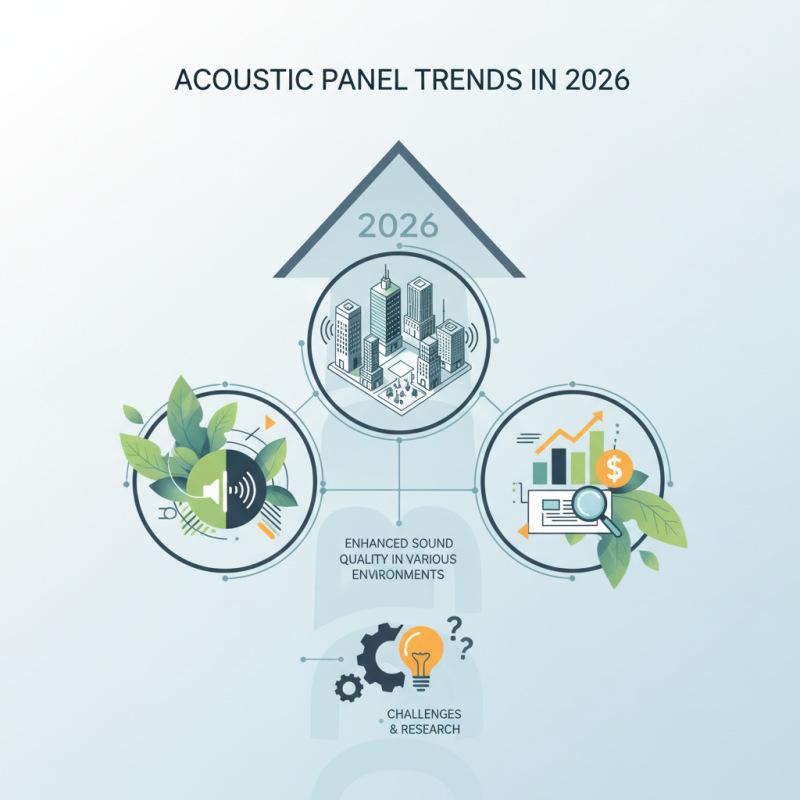
As we approach 2026, the use of Acoustic Panels is evolving rapidly. Studies indicate that the acoustic treatment market is projected to reach $1.5 billion by 2026, driven by growing awareness of sound control in various environments. Acoustic panels play a crucial role in enhancing sound quality, especially in open offices and public spaces.
Industry reports highlight a shift towards eco-friendly materials in acoustic panel production. Many manufacturers are integrating sustainable practices into their designs. This trend not only improves sound absorption but also aligns with consumer demand for environmentally responsible products.
Despite these advancements, challenges remain. Some acoustic panels still underperform in specific settings, leading to dissatisfaction among users. Ongoing research is needed to better understand user needs and improve product efficacy. This evolving landscape offers exciting opportunities for innovation in acoustic solutions.
Key Innovations in Acoustic Panel Design for Enhanced Sound Absorption
The landscape of acoustic panel design is evolving rapidly. In 2026, innovative materials and aesthetics are emerging, aimed at enhancing sound absorption in various environments. The latest data from the Acoustic Society highlights that sound absorption can improve by up to 30% with new composite materials. These materials combine traditional acoustical fibers with eco-friendly options, pushing the boundaries of both sustainability and performance.
New designs focus on modular systems that allow customization. This flexibility appeals to architects looking for both functionality and style. For example, acoustic panels with 3D textures can scatter sound waves more effectively than flat panels. Reports indicate that these designs are gaining popularity in both commercial spaces and homes. Many environments benefit from thoughtful design that not only absorbs sound but also enhances the visual appeal.
Tips: When selecting acoustic panels, consider the specific needs of your space. Look for options that allow easy installation and maintenance. Explore textures and colors that match your aesthetics without compromising performance. Remember, investment in quality panels can lead to long-term benefits in sound management.
Sustainable Materials Driving the Acoustic Panel Market in 2026
Sustainable materials are redefining the acoustic panel market in 2026. With a growing emphasis on eco-friendly solutions, manufacturers are exploring alternatives that minimize environmental impact. Reports indicate that the use of recycled materials in acoustic panels is expected to increase by 40% over the next few years. This reflects a notable shift towards sustainability in design and production.
Natural fibers like hemp and bamboo are emerging as popular choices. These materials not only offer excellent sound absorption but also reduce carbon footprints. In addition, studies show that consumers are willing to pay a premium for sustainable products. The demand for greener options suggests that companies must adapt or face declining market relevance.
While the focus on sustainability is commendable, challenges exist. Sourcing sustainable materials can be inconsistent, impacting supply chains. Additionally, the durability of these materials often requires further evaluation. Balancing performance and environmental considerations remains a critical discussion point in the industry. As companies navigate these complexities, innovation in sustainable design will continue to play a crucial role in shaping acoustic panel trends.
Technological Advancements: Smart Acoustic Panels in Modern Spaces
As we approach 2026, the focus on smart acoustic panels is transforming modern interior spaces. These innovative solutions aren't just about aesthetics; they integrate technology to enhance sound quality and user experience. Smart acoustic panels can adjust dynamically to their surroundings, responding to noise levels in real-time. Imagine a space where the ambiance shifts seamlessly to optimize sound clarity during meetings.
Tips: When selecting smart acoustic panels, consider the size of your space. Larger areas may require more panels for optimal sound absorption. Look for panels that offer a range of colors and designs. This ensures that functionality does not compromise your aesthetic vision.
The rise of smartphone connectivity in acoustic panels allows users to control settings with ease. Users can adjust sound profiles, and some panels even offer built-in communication features. It's imperative to ensure these technologies remain user-friendly. Complexity can deter users from optimizing their environments.
Tips: Always check for user reviews and installation guides before purchasing. Some panels may require professional help for setup. Also, consider the panel's material. The right materials will enhance performance and longevity.
Market Growth Projections: Acoustic Panel Demand and Revenue Trends
The acoustic panel market is set for substantial growth in 2026. Demand for effective soundproofing solutions continues to rise. This trend is driven by the increasing need for quiet environments in homes and commercial spaces. Today's consumers prioritize comfort and functionality, pushing businesses to explore new acoustic technologies.
Revenue projections indicate a robust expansion. With urbanization and population density increasing, noise pollution becomes a top concern. Acoustic panels enhance sound quality and reduce echoes effectively. Design aesthetics also play a role in driving demand. Consumers seek stylish solutions that integrate seamlessly into their spaces.
However, challenges remain. Costs can hinder adoption, especially in budget-sensitive sectors. Education about the benefits of acoustic solutions is essential. More people need to understand how sound control enhances well-being. Evaluating the effectiveness of different materials is crucial in making informed choices. The future of the industry looks promising, but it requires ongoing reflection and adaptation.
Top Acoustic Panel Trends in 2026
Consumer Preferences Shaping the Future of Acoustic Panel Aesthetics
As we look towards 2026, consumer preferences are reshaping the aesthetics of acoustic panels. Reports indicate that 72% of consumers prioritize aesthetics alongside functionality. This means that the design and style of acoustic panels are becoming as important as their sound-absorbing capabilities. Sleek lines, vibrant colors, and textural elements are trending. Modern consumers are seeking products that complement their interior design, not just serve a purpose.
Tips: Consider your room's color palette when selecting acoustic panels. Bold patterns can make a statement, while subtle textures can enhance a calming environment. Balancing functionality with design is crucial. Aim for unique shapes, such as hexagons or wave patterns, to stand out in the market.
The rise of remote work also influences design choices. With home offices becoming more common, people desire panels that blend seamlessly into residential settings. A report from the Acoustic Society highlights that 55% of remote workers want panels that are visually appealing in their workspace. There is potential for innovation where art meets acoustics. This trend emphasizes the need for manufacturers to rethink traditional designs.
Tips: When choosing panels, think about how they affect the room's acoustics and aesthetics. You might find it helpful to consult with an interior designer for recommendations. Experimenting with different placements can lead to better overall sound quality and visual appeal.