


Temporary & Portable Solar Lighting
Top Cosmetic Packaging Solutions for Global Buyers?
Global beauty brands are reassessing how packaging protects products, communicates value, and performs across complex supply chains. The opportunity is substantial. Grand View Research estimates that the global cosmetic packaging market will continue expanding through the decade, driven by skincare, color cosmetics, and premium fragrance demand. Meanwhile, Smithers’ packaging outlooks identify recyclability, lightweighting, and recycled content as major development priorities. These findings explain why buyers increasingly compare cosmetic packaging solutions beyond appearance and unit price.
A practical solution must survive filling, transport, storage, and daily bathroom use. A fine-mist pump should deliver consistent dosage, even after repeated pressing. A cream jar needs a stable closure and a barrier that limits air and moisture exposure. Small details matter. Cap fit matters. Buyers should request compatibility testing, migration documentation, material specifications, and pre-production samples before approving large orders. ISO 22715 provides a useful reference for cosmetic packaging and labeling practices, while regional packaging rules continue to evolve. The European Commission’s Packaging and Packaging Waste Regulation shows how recyclability and material accountability are becoming commercial requirements, not optional claims.
Sustainability also needs careful judgment. The Ellen MacArthur Foundation supports circular design, but a refill concept may fail if customers rarely purchase refills. PCR plastic can reduce virgin material use, yet color variation and supply consistency may affect premium presentation. Glass feels luxurious, but transportation weight increases emissions and freight costs. No single format wins. Global buyers need evidence, not attractive promises. A reliable supplier should explain testing methods, factory controls, minimum order quantities, lead times, and end-of-life options with clarity. This approach creates packaging that looks refined, performs reliably, and remains credible in different markets.
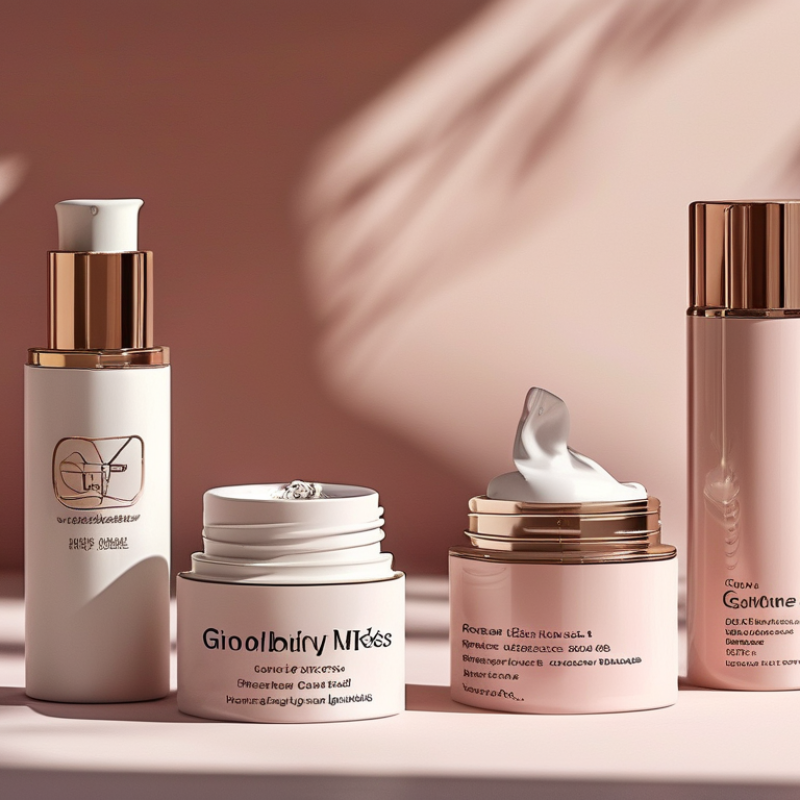
Cosmetic Packaging Types and Their Primary Applications
Cosmetic packaging must match the product, user, and distribution route. Grand View Research valued the global cosmetic packaging market at approximately USD 32.74 billion in 2023. The report forecasts a 3.6% CAGR from 2024 to 2030. This growth reflects demand for convenience, hygiene, and premium presentation.
Bottles suit cleansers, toners, and liquid foundations. Airless pumps help protect sensitive formulas from repeated air exposure. Tubes work well for creams, gels, and travel-sized products. Jars support thicker masks and balms, but users contact the formula more often. Compacts remain practical for powders and pressed color products. Sachets support sampling and short-term use. Fit matters. Dispensing control matters.
Material selection requires more than appearance. Glass offers strong barrier performance and a substantial feel, but it increases transport weight. Plastic can reduce breakage, yet multilayer structures may complicate recovery. The United Nations Environment Programme reported that packaging represents about 36% of global plastic production. This figure makes material reduction and simpler component design important purchasing criteria. Closures, pumps, labels, and adhesives also need compatibility testing. A recyclable-looking pack may still fail sorting requirements. That is an uncomfortable detail. Global buyers should request migration data, leak testing, recycled-content evidence, and packaging specifications before approving production. The best format is rarely universal; it depends on formula stability, dosage, shelf life, and local recycling infrastructure.
Top Cosmetic Packaging Solutions for Global Buyers? - Cosmetic Packaging Types and Their Primary Applications
| Packaging Type | Common Materials | Primary Applications | Key Functional Benefits | Typical Product Formats | Important Buyer Considerations |
|---|---|---|---|---|---|
| Jars | Glass, polypropylene (PP), polyethylene terephthalate (PET), acrylic | Face creams, body butters, masks, scrubs, balms | Wide openings support easy product access and filling of viscous formulas | Single-wall jars, double-wall jars, refillable jars | Closure torque, liner compatibility, oxygen and moisture protection, filling speed |
| Airless Pumps | PP, PET, polyethylene (PE), multilayer plastic components | Serums, lotions, creams, sensitive skin-care formulas | Limits air exposure and helps dispense controlled doses with minimal residual product | Airless bottles, airless tubes, vacuum-dispensing containers | Pump priming, dose consistency, formula viscosity, component recyclability |
| Dropper Bottles | Glass, PET, PP, elastomer bulbs and seals | Facial oils, active serums, essential-oil blends, liquid treatments | Enables small-volume dosing and supports precise application | Pipette droppers, button droppers, graduated droppers | Seal integrity, chemical compatibility, drop-size accuracy, breakage protection |
| Pump Bottles | HDPE, PET, PP, glass | Cleansers, shampoos, conditioners, body lotions, liquid soaps | Convenient one-handed dispensing and reduced direct contact with the formula | Lotion pumps, foaming pumps, treatment pumps | Pump output, lock mechanism, leakage resistance, compatibility with thick formulas |
| Squeeze Tubes | PE, laminated plastic, aluminum laminate | Toothpaste, hand cream, sunscreen, cleansers, hair treatments | Lightweight, portable, hygienic and suitable for controlled dispensing | Flip-top tubes, screw-cap tubes, nozzle tubes | Seal strength, shoulder design, barrier requirements, ease of emptying |
| Bottles with Fine-Mist Sprayers | PET, HDPE, PP, glass | Facial mists, body sprays, hair sprays, setting sprays | Produces a dispersed spray for broad, lightweight application | Fine-mist bottles, continuous-spray containers | Spray pattern, actuator performance, clog resistance, pressure and leakage testing |
| Roll-On Containers | Glass, PP, PET, stainless steel or plastic roller balls | Deodorants, perfumes, eye serums, localized treatments | Direct, targeted application with low overspray and good portability | Ball applicators, dual-ended roll-ons | Ball movement, leak prevention, formula flow, neck and cap compatibility |
| Compacts and Palettes | PP, ABS, aluminum pans, glass mirrors, paperboard | Pressed powder, blush, bronzer, eyeshadow, highlighter | Organizes multiple solid products in a portable format | Single compacts, multi-pan palettes, magnetic palettes | Hinge durability, pan fixation, mirror protection, impact resistance, recyclability |
| Lipstick and Lip-Product Tubes | PP, ABS, aluminum, paperboard, glass | Lipstick, lip balm, lip color, solid lip treatments | Protects solid or semi-solid products and supports twist-up application | Twist-up tubes, push-up paper tubes, slim tubes | Mechanism reliability, bullet fit, cap retention, heat resistance |
| Sachets and Sample Pouches | Flexible laminates, PE films, aluminum-containing laminates | Trial-size creams, masks, lotions, shampoos and promotional samples | Low material volume, compact shipping and convenient single-use portions | Three-side-seal sachets, four-side-seal sachets, spouted pouches | Seal quality, tear performance, barrier level, filling accuracy, recycling route |
| Secondary Cartons | Folding paperboard, recycled fiberboard, specialty board | Outer packaging for bottles, jars, tubes, palettes and gift sets | Provides product protection, information space and shelf-ready presentation | Straight-line cartons, reverse-tuck cartons, sleeve cartons, gift boxes | Board thickness, compression strength, print compliance, recyclability, pack efficiency |
Note: Final packaging selection should be validated through compatibility, stability, leakage, transport and regulatory testing for the specific cosmetic formula and destination market.
