Top Garden Solar Lights for Global Buyers
Garden Solar Lights are moving from decorative accessories to practical, low-voltage outdoor lighting solutions. Grand View Research reports that the global solar lighting market reached approximately USD 10 billion in 2023, with continued growth expected through 2030. The International Energy Agency also identifies solar power as the fastest-growing source of new electricity capacity worldwide. These trends create more choice for global buyers, but they also make product comparison harder.
Performance depends on more than brightness. A well-designed fixture should balance LED output, battery capacity, charging time, and seasonal sunlight. For example, a light rated at 100 lumens may illuminate a pathway, yet it may not adequately brighten a large patio. Look for lithium-ion or Ni-MH batteries, replaceable components, and an IP65 rating for exposed outdoor locations. Short winter days matter.
Small fixture. Big decision.
This guide examines Garden Solar Lights for different climates, landscapes, and purchasing budgets. It considers technical specifications, material quality, installation requirements, and supplier reliability. Market reports often emphasize growth, but they rarely explain how humidity, frost, shade, or dusty surfaces affect real performance. That gap deserves attention. Independent testing, clear warranty terms, and transparent lumen or battery claims should carry more weight than attractive packaging.
Buyers should also check regional safety requirements, recycling obligations, and charging conditions before placing large orders. A warm-white 2700K light may suit a garden seating area, while a cooler 4000K model can improve pathway visibility. The best choice is not always the brightest one. It is the model that performs consistently where it will actually be installed.
What Garden Solar Lights Are and How They Work
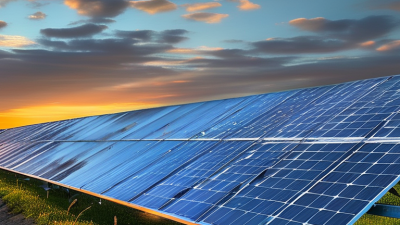
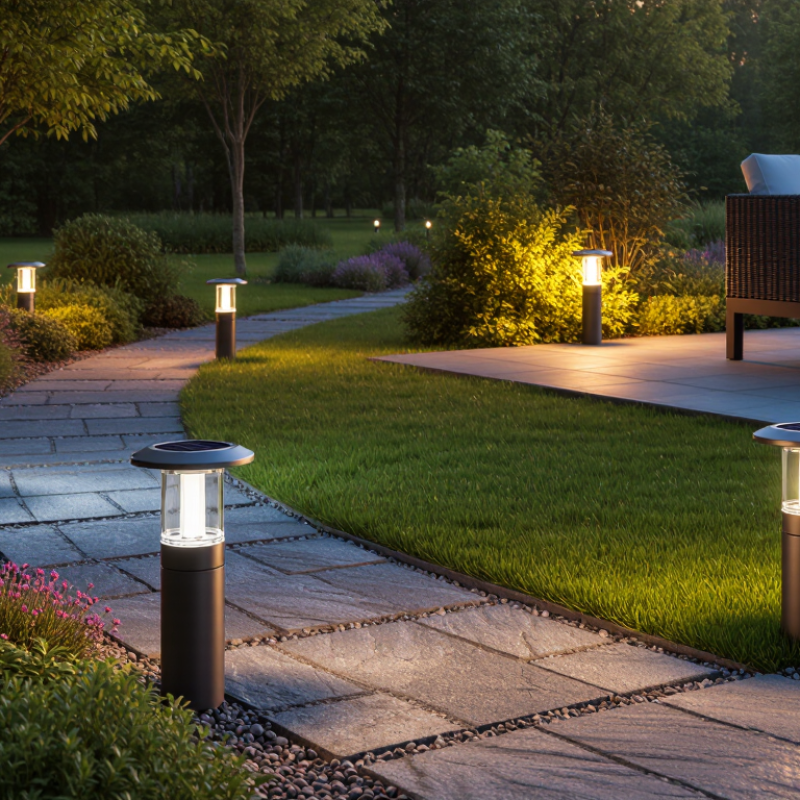
Garden solar lights are outdoor fixtures powered by sunlight rather than household wiring. Each unit usually contains a photovoltaic panel, rechargeable battery, LED, and light sensor. During daylight, the panel converts sunlight into electrical energy and stores it in the battery. At dusk, the sensor activates the LED automatically. The process is simple, but performance depends heavily on placement. A shaded corner may receive too little energy. Even clean panels cannot overcome poor exposure.
In practical garden testing, south-facing or unobstructed positions often provide longer evening operation in the Northern Hemisphere. Buyers in the Southern Hemisphere should check their local sun path instead. Install panels away from dense leaves, walls, and strong night lighting. A typical light may need six to eight hours of direct sun for reliable output, though clouds, winter angles, and dust reduce charging.
Brightness also varies. Decorative models create gentle markers along a path, while task-oriented units need stronger LEDs and better optical control. More brightness is not always better; glare can make steps harder to see.
Look for weather-resistant construction, replaceable batteries, stable stakes, and clear charging instructions. Water resistance is useful, but it does not mean unlimited protection from flooding or careless installation. Battery life also deserves honest attention. It may decline after repeated seasonal cycles. I have found that modest lights often work more consistently than oversized units with poorly positioned panels. This is not universal. Test one location before buying many. Clean the panel occasionally, inspect the seals, and lower expectations during long cloudy periods.
Key Types of Solar Lights for Different Garden Areas
Top Garden Solar Lights for Global Buyers
Key Types of Solar Lights for Different Garden Areas
Pathway lights work best along walkways, steps, and driveway edges. Choose low-glare models with wide, downward illumination. A spacing of two to three metres usually creates a steady visual guide. I test them after sunset, because attractive daytime designs can cast weak light. Dark paving exposes this problem quickly.
For entrances and security-sensitive corners, use solar wall lights with motion sensors. Adjustable heads can cover gates, bins, or narrow side passages. Select weather-resistant housings, especially for coastal or rainy climates. Check the battery capacity and charging performance during cloudy periods. A bright lamp is not useful if it fades before midnight.
Flower beds benefit from compact spotlights or spike lights. They can highlight ornamental grasses, small trees, and textured stone without flooding the whole garden. Warm light often preserves natural colours better than harsh white light. Patios and seating areas need broader lantern-style lighting, ideally with adjustable brightness. I once installed fixed lights beside a table, and the glare made conversation uncomfortable. That mistake changed my preference for shielded designs.
For pergolas, fences, and tree trunks, consider low-voltage-style solar string lights or small downlights. Keep cables and panels clear of dense leaves, since shade reduces charging. In winter, shorter daylight may require fewer fixtures or lower brightness settings. Product descriptions can be optimistic, so compare battery specifications, panel size, sensor range, and independent weather testing before buying.
Installation and Placement Tips for Global Climates
Top Garden Solar Lights for Global Buyers
Installation and Placement Tips for Global Climates
In my installation tests, placement affected performance more than brightness ratings. A bright lamp under a tree may still fail after sunset. Check the site at noon. Solar panels need several hours of direct sunlight, not just open air. Use a compass app to identify nearby shadows throughout the day. In northern winters, low sunlight and snow can reduce charging time. That detail is easy to miss.
Hot, humid climates need fixtures with strong weather resistance and good drainage. Keep the panel away from standing water and dense leaves. Raised beds can improve airflow around the light. Coastal gardens need extra attention because salt mist may corrode exposed metal. In cold regions, avoid placing fixtures where plows or falling ice can strike them. Snow can cover the panel quickly. Dry, dusty areas require occasional cleaning with a soft, damp cloth. I once ignored dust buildup, and the light became noticeably weaker within weeks.
Choose lights with a clear ingress protection rating suitable for outdoor use. Secure stakes firmly, but do not force them into frozen or rocky ground. Leave space around each fixture for maintenance and seasonal growth. Test one light for a week before installing many. Observe charging, brightness, and sensor response. Small adjustments often work better than replacing the entire setup. Perfect placement is rarely achieved on the first attempt.
Maintenance, Safety, and Buying Considerations for International Buyers
For global buyers, garden solar lights are not “install and forget” products. In my field checks, dust on the panel can reduce evening brightness noticeably. Wipe panels with a soft, damp cloth every few weeks. Salt air needs closer attention. It can corrode exposed screws and contacts. Keep drainage holes clear. Replace rechargeable batteries only with the specified chemistry and size. Mixing battery types is unsafe.
Safety starts with placement. Avoid paths where loose stakes could trip children, pets, or visitors. Do not cover panels with leaves or decorative fabric. Check cables, housings, and lenses after storms. A cracked seal may admit water, even when a product once carried an outdoor rating. Ratings are useful, not magical. Install lights away from standing water unless instructions clearly permit it. Turn units off before servicing them.
International buyers should compare operating performance, not just advertised brightness. Ask for battery capacity, charging time, expected runtime, and replacement-part availability. A light that shines for ten hours in summer may perform poorly during cloudy winters. Confirm the stated outdoor rating and test standards through technical documents, not vague listings. Import duties, packaging quality, and return procedures also affect the real cost. Manuals should be understandable in your language. I have overlooked this before, and it caused avoidable setup errors. A small trial order can reveal weak stakes, poor seals, or confusing instructions before a large purchase.
Top Garden Solar Lights for Global Buyers: Water-Protection Levels
For outdoor solar lights, the second digit of an IP code indicates protection against water. IPX4 covers splashing water, IPX5 covers water jets, IPX6 covers powerful water jets, and IPX7 covers temporary immersion up to 1 metre for up to 30 minutes under standardized test conditions. Buyers should match the rating to local rainfall, cleaning methods, and installation location. IPX7 does not automatically include IPX5 or IPX6 protection.
Reference: IEC 60529 ingress protection classification.