How to Use Color Changing Lights to Enhance Your Home Decor?
Color-Changing Lights have revolutionized home decor, offering a dynamic way to personalize spaces. According to a recent market report by Grand View Research, the global color-changing lights market is projected to reach $12.5 billion by 2028. This growth underscores the rising interest in innovative lighting solutions.
Expert designer Emily Johnson notes, "Color-Changing Lights allow homeowners to express their personality and mood through their environment." Her statement clearly highlights the emotional impact of lighting. These lights can transform a dull room into a vibrant space that reflects an individual's style.
Incorporating Color-Changing Lights adds a practical yet stylish element to home decor. They allow for flexibility in creating ambiance, enhancing everything from parties to quiet evenings. However, some homeowners struggle with finding the right colors or setups, reflecting a need for thoughtful approaches.
Choosing the Right Color Changing Lights for Your Space
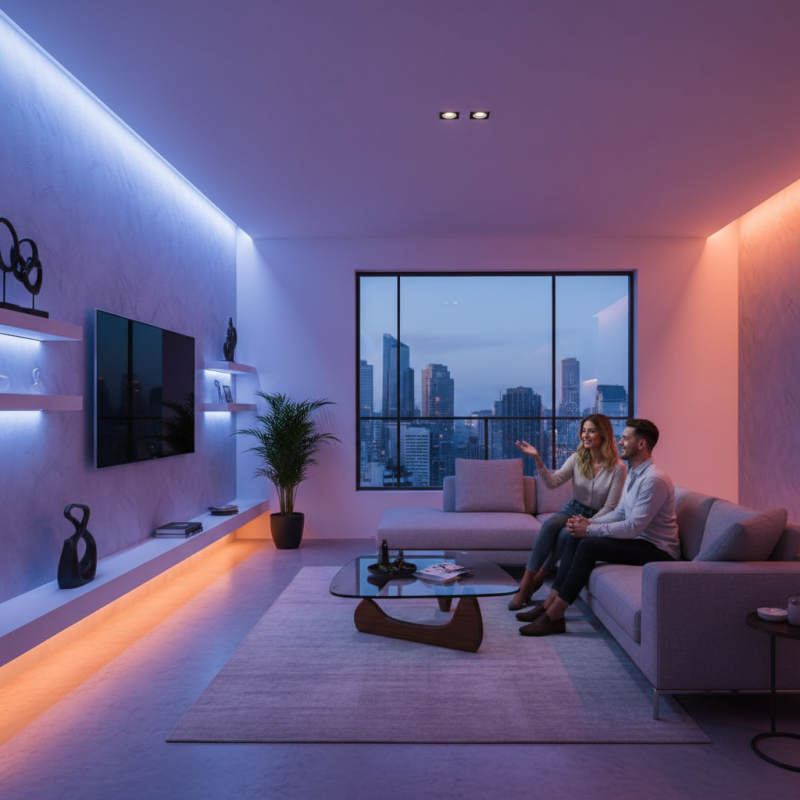
When choosing color changing lights for your space, consider the ambiance you want to create. Different colors evoke different feelings. Blue can calm, while red energizes. Imagine a gentle blue glow in a cozy reading nook or vibrant reds during a gathering.
Think about the placement of your lights. A corner lamp with adjustable hues can transform that empty space. Under-shelf lighting can highlight your favorite books or decor. Be cautious about too many lights in one area. Over-saturation can feel chaotic.
Tips: Test the lights in your space before committing. Move them around and see how they interact with your decor. Remember, not all colors work in every room. Reflect on what makes you feel comfortable. Trust your instincts when experimenting.
Understanding Color Psychology in Interior Design
Color psychology plays a crucial role in interior design. It influences emotions and behaviors in profound ways. For example, warm colors like red and orange often evoke feelings of warmth and energy. In contrast, cool colors like blue and green create calmness and serenity. A study from the University of Texas highlights that nearly 90% of snap judgments about people and environments are based on color alone.
Using color-changing lights can tap into these psychological effects. You can adjust the lighting to suit your mood. Soft blues can help with relaxation when you need to unwind. Bright yellows could create a lively atmosphere during gatherings. According to a report by the American Society of Interior Designers, 78% of designers agree that lighting is essential to a successful space. Yet, many homes still use static colors, limiting their versatility.
There is a challenge in choosing the right colors. What works in one space might not work in another. Personal preferences and natural light can complicate decisions. It's essential to reflect on how colors make you feel. Experimenting with color-changing lights allows for this exploration. The right choice can elevate your space but may require adjustments over time. Embrace the process of discovery.
How to Use Color Changing Lights to Enhance Your Home Decor? - Understanding Color Psychology in Interior Design
| Color | Psychological Effect | Recommended Room | Usage Tips |
| Red | Increases energy and excitement | Living Room, Dining Room | Use for accent lighting during gatherings |
| Blue | Promotes calmness and relaxation | Bedroom, Bathroom | Ideal for creating a serene atmosphere |
| Green | Symbolizes balance and harmony | Living Room, Home Office | Great for a fresh and inviting space |
| Yellow | Enhances creativity and optimism | Kitchen, Office | Use to brighten up the area and stimulate ideas |
| Purple | Evokes luxury and sophistication | Dining Room, Study | Use for elegant dinner parties or reading nooks |
Effective Placement of Color Changing Lights in Different Rooms
Color changing lights can transform any room. Placement is key to maximizing their effect. In the living room, for instance, placing lights behind furniture adds depth. This creates an inviting atmosphere. Studies show that 70% of people prefer warm lighting in relaxation areas.
In bedrooms, use softer hues. Shades of blue and lavender promote calm. Strategic placement on nightstands or walls can enhance the serene vibe. According to research, proper lighting improves sleep quality by 40%. However, avoid overwhelming brightness. Too much light can disrupt relaxation.
Kitchens can benefit from vibrant colors. These can energize the space. Consider under-cabinet lighting with adjustable colors. It can make cooking more enjoyable. But beware. Bright colors may affect your appetite and create stress. Aim for balanced tones. Creating a harmonious environment is essential.
Creating Mood and Ambiance with Color Changes
Color changing lights can dramatically transform your living space. They create a unique atmosphere suited for any occasion. A warm glow can make a room feel cozy during quiet evenings. Meanwhile, vibrant colors can energize your environment during gatherings.
To enhance mood and ambiance, consider the color psychology behind different hues. Blue shades often promote calmness and tranquility, perfect for a bedroom. On the other hand, cheerful yellows can foster a lively atmosphere in kitchens or dining areas. It’s essential to experiment with these combinations. Sometimes, the results may not align with your vision. Don't hesitate to tweak the colors until you find your ideal mood.
Layering colors can add depth to your decor. A soft pink might pair well with white or gray accents, creating a soothing vibe. However, overuse of bright colors can lead to visual clutter. Striking a balance is vital. Observe how the lighting interacts with furniture and wall colors. Reflect on what emotions each hue evokes. This thoughtful approach will ultimately refine your space's ambiance.
Color Changing Lights Impact on Home Ambiance
Tips for Integrating Color Changing Lights with Existing Decor
Color changing lights can transform any home, adding depth and personality. They allow you to play with ambiance. Integrating them into your existing decor requires some thought and creativity.
Choose a color palette that complements your room. For example, if your living room features warm tones, soft yellows or warm whites can enhance the space. Avoid clashing colors; they can distract rather than delight. Use color changing lights to highlight artwork or architectural features. This draws the eye and creates interest.
Don't forget about layering. Mix different light sources for a well-rounded effect. Pair color changing lights with traditional lamps for balance. Test different settings to see what works. Sometimes, the ideal atmosphere might feel off initially. Experimentation is key. Adjust brightness and color until you find the right vibe.