How to Use Red Light Therapy for Health Benefits?
Red Light Therapy (RLT) is rapidly gaining recognition in the wellness community. Experts assert its potential benefits for various health issues. Dr. Michael Hamblin, a prominent researcher in this field, states, "Red Light Therapy has been shown to enhance cellular function." This highlights the therapy's promising role in health improvement.
RLT utilizes specific wavelengths of light to stimulate cellular processes. Many users report better skin health, reduced inflammation, and improved muscle recovery after sessions. The science behind RLT includes its capability to boost collagen production and enhance ATP synthesis in cells, ultimately supporting healing and regeneration.
Despite its potential, it's essential to approach RLT with realistic expectations. Not every individual experiences dramatic results. Some may notice subtle changes, while others may not respond as strongly. Understanding these variations is crucial for anyone considering this therapy. Overall, Red Light Therapy presents an intriguing avenue for health enhancement, yet personal experiences may differ significantly.
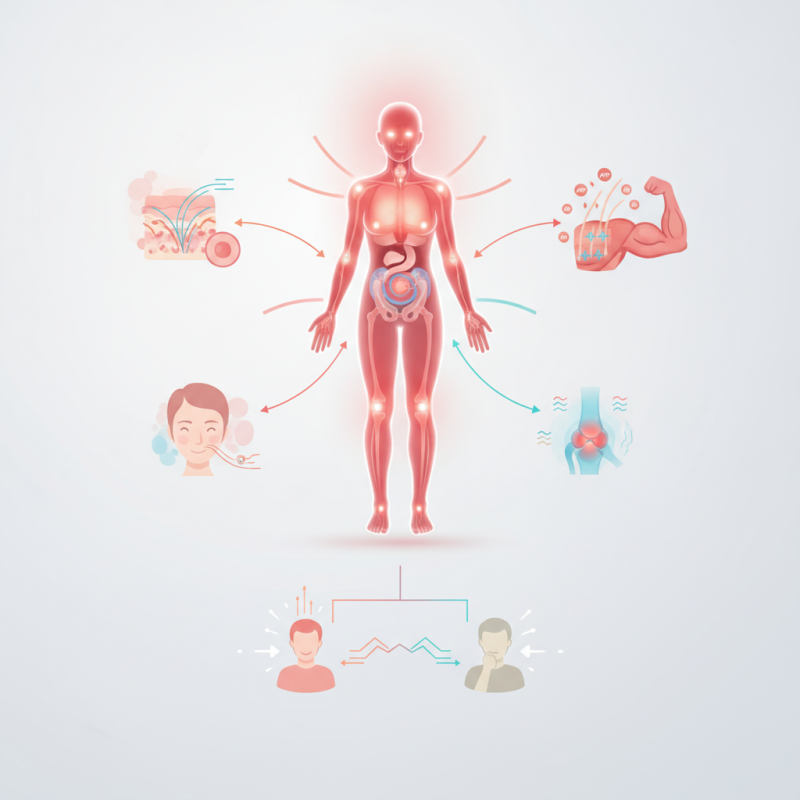
Understanding Red Light Therapy: Principles and Mechanisms
Red light therapy (RLT) utilizes specific wavelengths of light to promote various health benefits. This therapy works primarily through photobiomodulation, a process where light interacts with cells. The absorption of red light stimulates cellular activity, enhancing metabolism and promoting healing. It’s fascinating to consider how something as simple as light can significantly impact cell function.
The principle behind RLT involves energy conversion. When red light penetrates the skin, mitochondria absorb this energy. As a result, the cells produce more ATP, the energy currency of the body. Enhanced ATP production supports tissue repair and reduces inflammation. It can be surprising to learn that such a passive therapy can drive profound changes in our bodies.
Practical outcomes of RLT include improved wound healing and reduced pain. Yet, expectations should be tempered. Some individuals may not experience noticeable results, and further research is still necessary. The effectiveness can vary based on individual health conditions and treatment protocols. There is no one-size-fits-all solution. Understanding these nuances is crucial for anyone considering RLT as part of their health regimen.
Health Benefits of Red Light Therapy: What the Research Says
Red light therapy has garnered attention for its numerous health benefits backed by research. Studies indicate that red light can aid in wound healing by enhancing cellular repair and regeneration. A research report from the Journal of Biophotonics highlighted that red light at specific wavelengths stimulated collagen production, essential for skin health and recovery.
Additionally, the American Journal of Physical Medicine & Rehabilitation published findings that suggest red light therapy can reduce inflammation and pain. Participants experiencing chronic pain reported significant relief after regular sessions. This therapy has been used effectively for conditions such as arthritis and muscle injuries. However, while promising, results can vary. Not everyone may experience the same level of improvement, warranting further investigation.
Research has also explored the effects on mental health. Some studies suggest red light therapy may alleviate symptoms of depression, though evidence remains inconclusive. The mechanisms are still under study, and not all individuals respond similarly. This highlights the need for personalized treatment plans, considering the diverse responses to red light therapy.
Types of Red Light Therapy Devices: Choosing the Right One
When choosing a red light therapy device, understanding the options is vital. Devices can vary in design, light wavelength, and intended use. Common types include handheld units, full-body panels, and masks. Handheld devices are portable and great for targeted treatment. They are convenient for small areas like the face or joints. Full-body panels provide broader coverage, suitable for overall wellness. Masks often focus on facial skin health and rejuvenation.
Consider the wavelength of light. Most effective treatments use wavelengths between 600 nm and 1000 nm. This range promotes healing and collagen production. Users often report varying experiences. Some may feel instant relief, while others notice gradual improvements. The choice can depend on personal needs and preferences. Remember to check device certifications and safety features. This ensures the device is reliable and effective.
Some users may struggle with consistency in their routine. It takes commitment to see significant benefits. Set realistic expectations. Track your progress over time to see what's working best. Experiment with different devices and see how they respond to your body. This trial-and-error approach can lead to better outcomes.
How to Use Red Light Therapy: Step-by-Step Guide
Red light therapy is gaining popularity for its potential health benefits. It uses low-level wavelengths of light to promote healing and reduce inflammation. To start, find a quiet space where you can set up your device. Ensure it is clean and free from interruptions. This helps create a more focused environment for your therapy sessions.
When using red light therapy, keep the device about six inches away from your skin. Aim for 10 to 20 minutes per session, depending on your needs. You might want to try different durations to see what feels best. It’s important to monitor how your body responds over time. Some people experience immediate relief while others may notice improvements gradually.
Be aware that consistency is key. Try to incorporate sessions into your daily routine. However, don't expect miraculous results overnight. You might need to adjust your expectations. Document your experiences to help track your progress. This practice can help you reflect on what works best for you.
Precautions and Considerations for Safe Red Light Therapy Use
Red light therapy (RLT) offers numerous health benefits, yet precautions are essential for safe use. Understanding how to apply RLT is key. Reports indicate that exposure to red light can improve skin health, reduce inflammation, and enhance healing. The American Academy of Dermatology suggests that using red light at appropriate wavelengths, typically between 600-650 nm, is crucial for effectiveness.
However, not all individuals should use RLT without caution. People with light sensitivity or certain skin conditions should consult a healthcare professional before starting. Moreover, the duration of exposure must be monitored. Research shows that overexposure can lead to skin irritation or adverse effects.
Tips: Start with short sessions, around 10 minutes, to gauge your skin's response. Ensure your device is certified and meets safety standards. Keep your eyes protected during sessions, as prolonged exposure can be harmful.
Remember, consistency is important, but moderation is vital. Tracking your progress can help evaluate the therapy's effectiveness. Listening to your body and adjusting accordingly will lead to safer and more beneficial experiences with red light therapy.
Health Benefits of Red Light Therapy
This chart illustrates the perceived health benefits of red light therapy based on various studies and user testimonials. The scores range from 1 to 10, indicating how effective users found each therapy benefit. Skin rejuvenation and wound healing scored the highest, showcasing the potential of red light therapy in these areas.